
Bed Bug Help for Youngstown Houses and Apartments
How to recognize bed bugs, tell them from look-alikes and avoid the mistakes that carry them into other rooms.
Bed bugs have nothing to do with how clean a home is. They feed only on blood and travel in luggage, used furniture and the folds of clothing, so a spotless bedroom can host them as easily as a cluttered one. They are also easy to confuse with other insects and with ordinary rashes, which is why confirming the signs comes first.
Cornersburg Pest Control treats bed bugs, and the first visit is a close look at beds, furniture and baseboards to see which rooms they have reached. Treatment then follows Our Process.
Where Bed Bugs Leave Their Marks

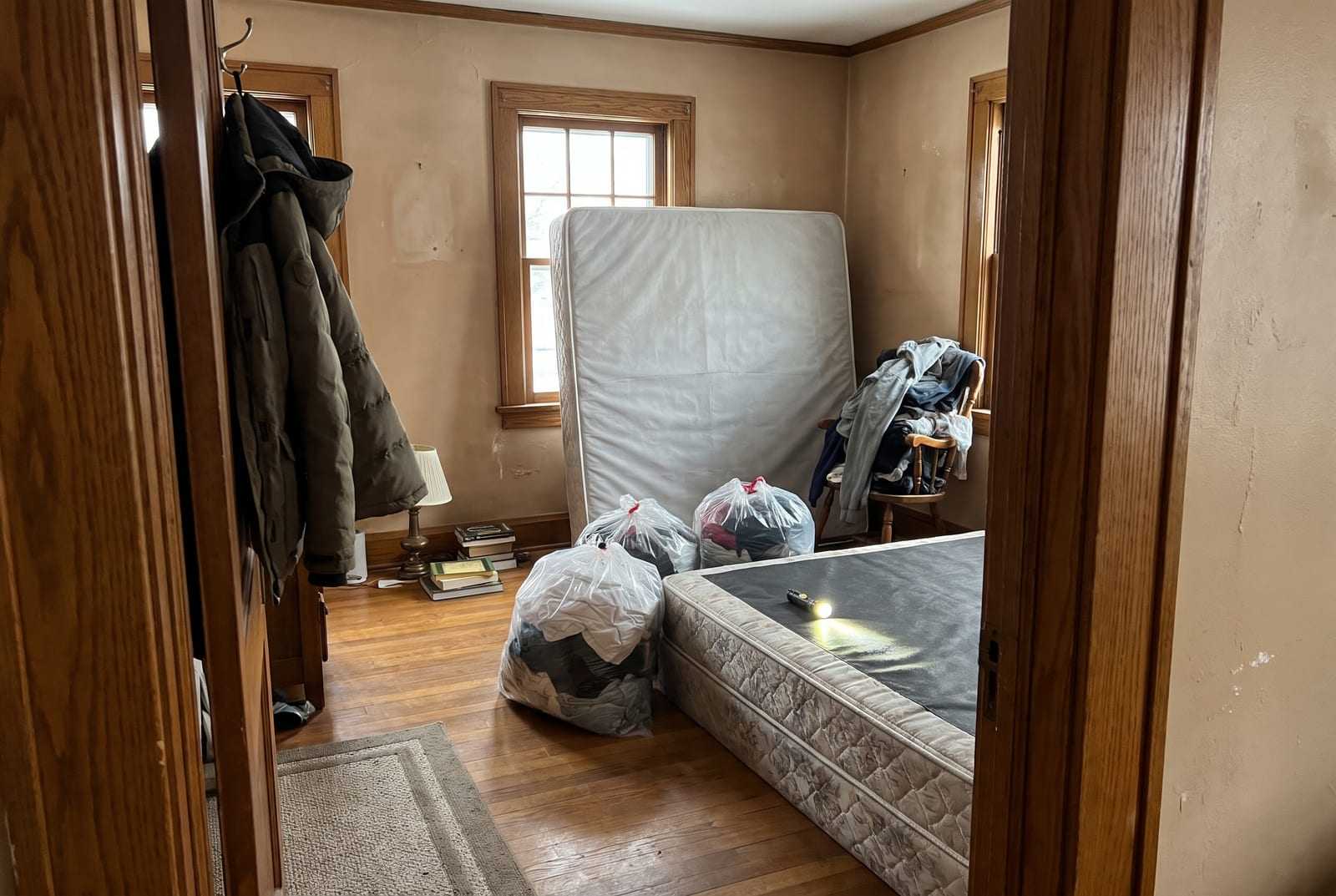
Bed bugs hide within a few feet of where people sleep or sit for hours. The first place to look is the mattress and box spring: the piping along the seams, the tufts and the corners under any plastic guards. Look for the bugs themselves, flat, oval and about the size of an apple seed, along with pale eggs the size of a pinhead and the empty skins young bugs shed as they grow.
Spots are often found before the bugs. Black dots are digested blood that soaks into fabric like a marker tip; small rust-colored smears on sheets come from bugs crushed after feeding. A heavy infestation can also carry a sweet, musty odor.

Next comes the bed frame. Bed bugs pack into the joints of wooden frames, the slats, the screw holes and the back of the headboard, and from there spread to nightstands, baseboards, outlet covers and the seams of a couch. A flashlight and a thin card slid into cracks will turn them out of hiding.
Bites are the least reliable sign. Many people do not react at all, and others react days later. Bites in a line or cluster on the arms, shoulders or neck are typical, but fleas, mosquitoes and skin conditions can look much the same.
Bed Bug Sign Checker
Answer five questions about what you have seen, and the checker sorts the signs into consistent, possible or unlikely.
Pick an answer for each question, then press Check the Signs.
Bed Bugs and the Insects Mistaken for Them
Several small insects get blamed for bed bugs, and each needs different treatment. Bat bugs are the closest match: in older houses with bats in the attic or chimney, they wander into bedrooms when the bats leave, and treating the bed alone does not end it.
| Insect | Appearance | Where found | Bites |
|---|---|---|---|
| Bed bugs | Flat, oval, reddish brown, about ¼ inch; darker and swollen after feeding | Mattress seams, box springs, bed frames, couch seams | Yes, at night, often in lines or clusters |
| Bat bugs | Nearly identical; longer hairs, seen under magnification | Near attics, chimneys and walls where bats roost | Yes, mostly after the bats leave |
| Carpet beetle larvae | Fuzzy, striped and carrot-shaped, under ¼ inch | Closets, rugs, under furniture, wool and stored clothes | No, though their hairs can cause an itchy rash |
| Fleas | Tiny, dark, narrow from side to side; they jump | Pet bedding, carpet, the spots where pets rest | Yes, mostly on ankles and lower legs |
| Booklice | Tiny, pale and soft; they run quickly | Damp spots: books, paper, window sills, new drywall | No |
Mistakes That Carry Bed Bugs to New Rooms
The wrong first move can turn one infested bedroom into a whole-house job, because bed bugs scatter when disturbed and ride along on anything carried out of the room.
What Not to Do
- No bug bombs. Foggers do not reach bugs inside seams and walls, and they push the survivors into other rooms and next-door units.
- Do not move items between rooms. Sleeping on the couch or carrying bedding through the house spreads them. Bag items in the room before they go to the laundry.
- Do not discard furniture without wrapping it. Wrap a mattress or couch in plastic, mark it as having bed bugs and set it out close to pickup so nobody takes it home.
- Do not delay telling neighbors or the landlord. In shared buildings bed bugs move through walls, and the nearby units need checking too.
Some steps do help. Wash bedding and clothing from the room and dry it on high heat for at least 30 minutes, which kills bugs and eggs. A mattress encasement traps any bugs inside and makes new ones easy to spot. Professional treatment generally takes more than one round, because eggs keep hatching for a week to ten days after the first.
How do bed bugs spread between apartments with shared walls?
They walk. Bed bugs follow pipes, wiring, gaps under baseboards and cracks in shared walls from one unit to the next, and they move faster when a neighbor’s home is fogged. In older Youngstown duplexes and apartment buildings, shared heating pipes and gaps in old plaster give them easy routes, so the units on each side and on the floors over and under need checking too.
If you rent, tell the landlord in writing as soon as you suspect bed bugs, and let close neighbors know. Ohio landlords must give reasonable notice before entering, usually 24 hours, so early word gets the inspection scheduled sooner and keeps the problem to one unit.
Hotels, Luggage and Secondhand Furniture
Many infestations start with something carried in. Furniture that stays behind in a house or apartment deserves the same suspicion as a curbside find, since bed bugs can survive for months without feeding. A bed frame or couch left by the last occupant is worth a close look before moving into a new property.
How do bed bugs come home after a trip or with used furniture?
They hide in suitcase seams, folded clothing and the joints of furniture, then come out in a new bedroom. In a hotel, keep bags on the luggage rack and check the headboard and mattress corners first. Back home, open luggage on a hard floor away from the bed, run the clothes through a hot dryer and vacuum the suitcase.
Used mattresses, couches and bed frames carry a higher risk than most secondhand items. Check every seam and joint with a flashlight before anything comes inside, and think twice about upholstered pieces left at the curb.