
Keeping Mice and Fall Insects Out Before Winter
The gaps that let pests in are easiest to close before the cold sends them looking for shelter.
Every fall, mice and a handful of insects go looking for a warm place to spend the winter, and an older house gives them plenty of choices. Keeping them out is plain work: find the gaps, close them, and treat the walls insects gather on before they slip inside.
Why the Cold Sends Pests Indoors
House mice do not hibernate. When the nights cool off, they follow the warm air leaking out around foundations, sill plates and pipe openings, through cracks a homeowner would hardly notice. Once inside, they nest in wall voids, cabinets and insulation, close to food and heat.
Insects work differently. Lady beetles, stink bugs, boxelder bugs and cluster flies gather on warm, sunny walls in early fall, then crawl into cracks around windows, siding and soffits to wait out the cold. They do not breed indoors, but one warm afternoon can wake hundreds at once.
Youngstown winters add one more push. Lake-effect cold and repeated freeze-thaw cycles open cracks in old mortar and stone foundations, so a house that kept mice out a few winters ago may not keep them out now.
Does cold weather kill pests or push them indoors?
For the pests that matter inside a house, it mostly pushes them in. Mice stay active all winter and move toward heat and food. Fall-invading insects survive in wall voids, attics and siding gaps, where the warmth of the house keeps them from freezing.
Cold does thin out pests that live outdoors, such as wasp colonies and ants in the yard. A long freeze does not clear out what got into the walls in the fall; it keeps those pests close to the warm side of the house.
Reading the Fall Warning Signs
Match the sign to its cause before buying traps or sprays.
| Symptom | Likely cause | Fix |
|---|---|---|
| Scratching in the walls at night | Mice nesting in a wall void or ceiling, often near the kitchen or a heat source | Trap along the wall inside and seal the gap they use outside. |
| Droppings in kitchen drawers | Mice running behind the cabinets, often in through pipe gaps under the sink | Wipe up droppings wet, wearing gloves; trap behind the drawers and pack the pipe gaps. |
| Clusters of bugs on sunny south walls | Lady beetles, stink bugs or boxelder bugs looking for cracks to spend the winter in | Seal gaps around window frames, siding and soffits; treat those walls while the insects are still outside. |
| Flies waking in attic windows | Cluster flies that crawled into the siding and attic last fall, stirred by a warm day | Vacuum them up; seal the eaves and treat the outside walls next fall. |
| Musty basement smell with insect activity | A damp sill drawing in millipedes, crickets or cockroaches; a sharp musty odor can also mean mice | Run a dehumidifier, aim downspouts away from the house, seal the sill and have the source checked. |
Fall Entry-Point Checker
Walk around the house, tick each problem you find, and the checker rates how easily mice and insects can get in.
Tick each spot where you found a problem, then press Rate the Risk.
Sealing the Small Gaps Fall Insects Use
Fall insects need far less room than mice. A lady beetle or stink bug slips through the crack where siding meets a window frame, a torn screen, a gap behind a fascia board or an unscreened attic vent. Cluster flies get under siding laps and into the attic the same way.
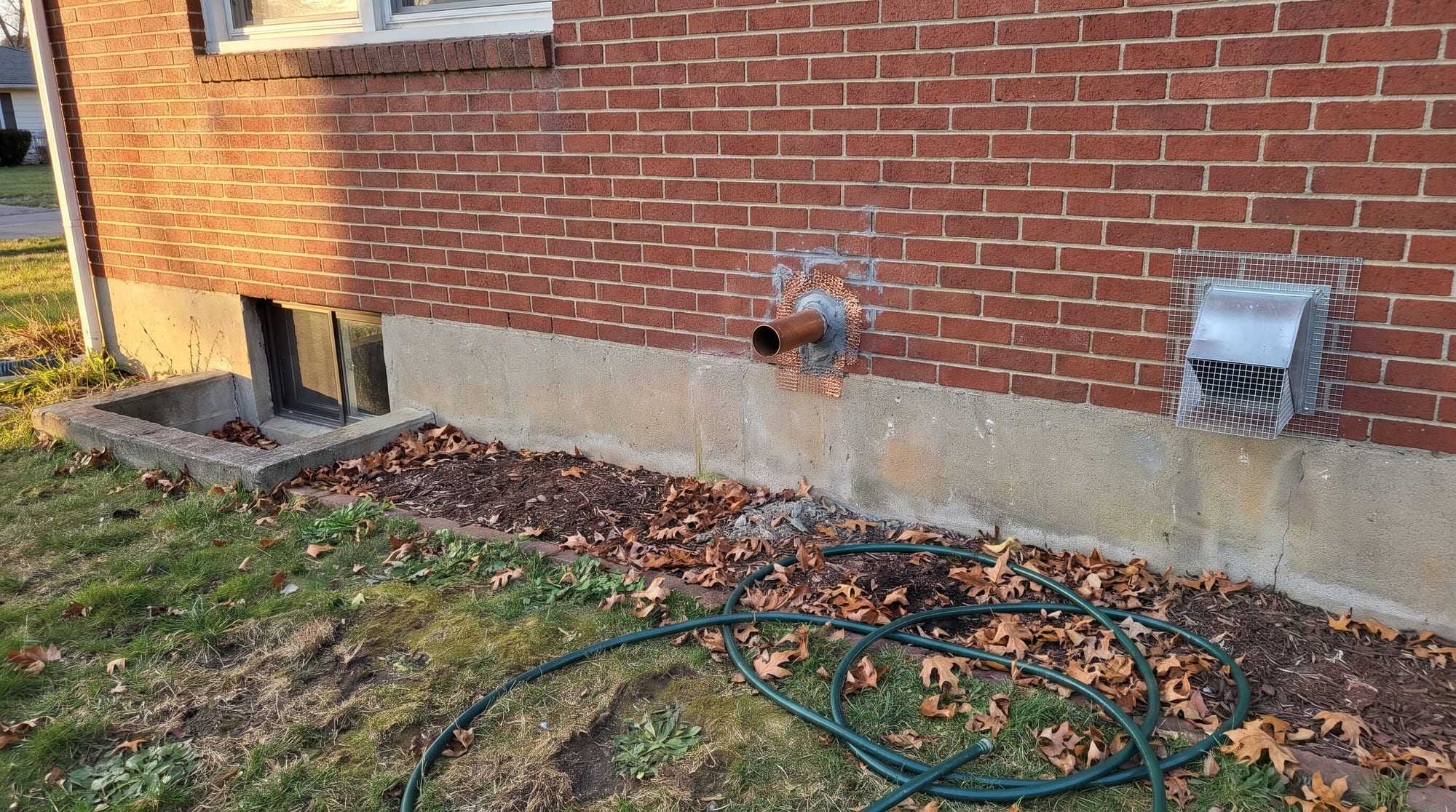
Those gaps close with ordinary materials: exterior caulk along window and door trim, repaired screens, weatherstripping on doors and attic hatches, and fine screening behind vents so air still moves. Start on the sunny south and west sides, where the insects gather first.
Mice use the bigger openings: foundation cracks, pipe and wire holes, worn door sweeps and garage door seals. Closing those with materials a mouse cannot chew, and trapping the ones already inside, is the core of rodent control.
Treating the Walls Fall Insects Gather On

Nobody closes every crack in a brick or frame wall, so sealing alone rarely stops a heavy fall flight. The usual answer in the trade is a perimeter treatment along the foundation, the sunny walls, the window frames and the eaves, applied while the insects are still gathering outside. Once they are in the wall voids, a treatment outside no longer reaches them.
The ones that do get in are best vacuumed up: crushed stink bugs leave a sharp odor, and handled lady beetles leave yellow stains on walls and curtains.
Houses that see a heavy flight every fall do better with the perimeter work repeated each year than with a single treatment.
When is the best time in northeast Ohio to seal and treat for fall pests?
Late summer through mid-fall, before the nights drop near freezing. Insects start gathering on warm walls once the nights cool off, and mice start moving in on the same cue, so a perimeter treatment and sealing both work best before then.
Sealant sets a practical limit too: most need temperatures over about 40 °F to cure properly, which gets harder to count on once the Mahoning Valley turns cold. Later work still helps, but by then it usually includes trapping what has already moved in.
Planning a Fall Inspection Visit
Fall work follows Our Process, beginning with a walk around the outside and through the basement to see which gaps are in use. A little preparation helps it reach the spots that matter.
Getting the House Ready for a Fall Inspection
- Clear a path to the basement walls and garage edges. Shelving and clutter against them hide the gaps mice use.
- Move stored boxes a foot or so off the walls. Gnawed cardboard and nesting material often sit right behind them.
- Note where you saw activity. The room, the time of day and what you found.
- Secure pets. Keep dogs and cats in a closed room during the visit.
- List the gaps you already found. The checker’s results or a quick note of each spot.